What Is BPC-157? The Peptide Explained
What is BPC-157? A synthetic 15-amino-acid peptide from animal research. We cover what published data shows and how vendors compare.
Current top picks
Prices and ratings come from the merchant pages.
Start here
BPC-157 is a peptide that consists of 15 amino acids, and its name is an abbreviation of the phrase 'Body Protection Compound-157.' In simple words, BPC-157 is a man-made peptide derived from a protein present in the digestive juices of humans and studied mainly in animals without approval from any regulatory institutions. Hence, we have set up this site so that all the published literature on this subject can be gathered in one place, and we can compare the best suppliers of these drugs and show that there is still much research to be carried out.
What BPC-157 Actually Is
The Name Decoded, Body Protection Compound
The name comes from early research in Zagreb, Croatia, where scientists isolated fragments of a protein in human gastric juice and observed protective effects on stomach lining in rat models. They labeled the series "body protection compound" and the 157th variant stuck. The label sounds grander than it is. It is a catalog reference, not a clinical designation, and the compound has no approved medical use anywhere in the world.
A 15-Amino-Acid Synthetic Peptide
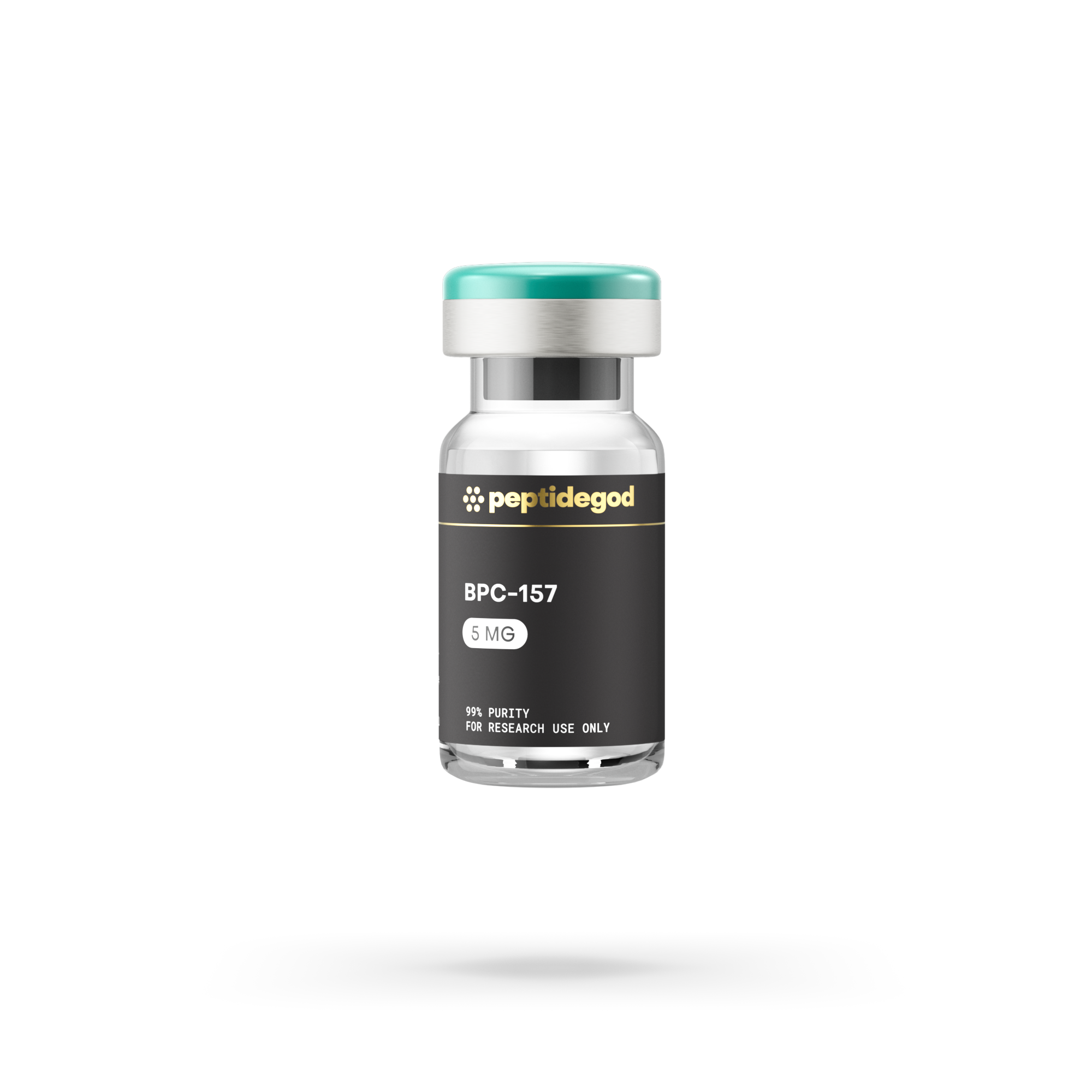
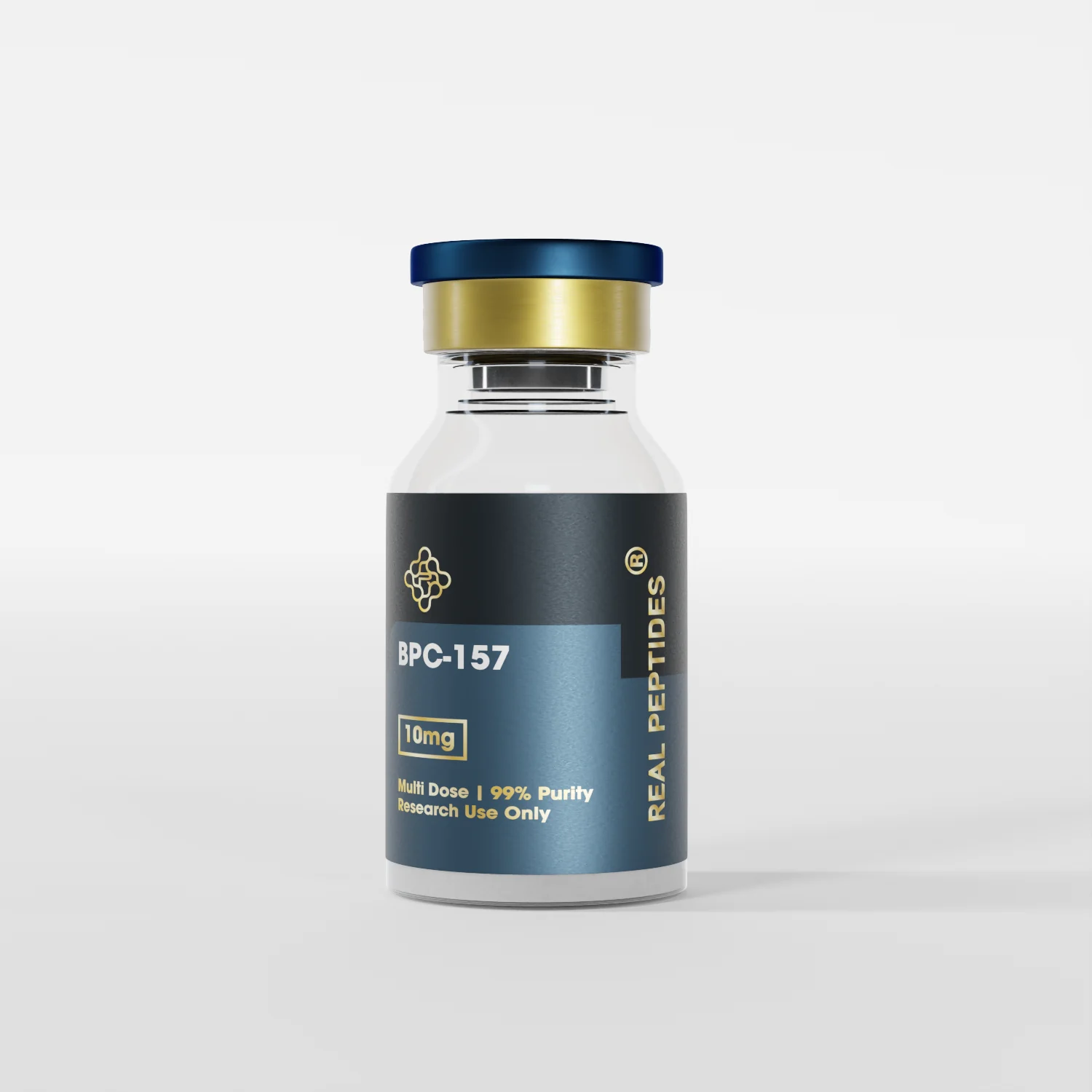
BPC-157 is a pentadecapeptide, meaning it has exactly 15 amino acids in its chain. The sequence is Gly-Glu-Pro-Pro-Pro-Gly-Lys-Pro-Ala-Asp-Asp-Ala-Gly-Leu-Val. Its molecular weight is about 1419.5 daltons. Vendors typically sell it as a lyophilized (freeze-dried) powder in glass vials, labeled for research use only. This bpc 157 peptide does not occur in nature in this exact form. It is synthesized in a laboratory.
- Sequence
- GEPPPGKPADDAGLV
- Chain length
- 15 amino acids
- Molecular weight
- 1419.53 Da
- Commercial form
- Lyophilized powder
- Regulatory status
- Not approved for human use
Where BPC-157 Comes From
The Gastric Juice Connection
Human gastric juice contains a larger protein from which researchers derived the BPC-157 fragment. The parent protein plays a role in gastric mucosal protection, which is how the "body protection" label originated. Early papers from Sikiric and colleagues at the University of Zagreb described isolating stable fragments from this protein and testing their effects in rodent ulcer models (Sikiric et al., 1993). We should be clear: the fragment used in research and sold by vendors is not extracted from gastric juice. It is made through solid-phase peptide synthesis.
Why It Is Called Synthetic
The 15-amino-acid chain does not exist as a separate entity in the human body. The parent protein in gastric juice is much larger, and BPC-157 is a specific fragment that researchers selected because it showed stability in acidic conditions. Every vial of BPC-157 on the market is synthesized in a laboratory. Claims that you can obtain BPC-157 from bone broth or organ meats are not supported by any published research. See our natural sources page for details.
What Published Research Reports
Animal Studies, What Researchers Observed
Over 100 papers reference BPC-157, and the vast majority use rat or mouse models. Researchers have reported observations across several areas: gastric ulcer healing, tendon and ligament repair, bone fracture models, vascular function and certain neurological models (Seiwerth et al., 2018). The proposed mechanisms include effects on nitric oxide pathways, growth factors like VEGF and EGF, and the FAK-paxillin signaling cascade. These are observations in controlled animal experiments, not clinical findings.
The findings from various studies on animals show a trend which can be considered interesting enough for scientific purposes, but experimental results among rats do not mean there is good evidence for similar outcomes in humans. We monitor the research sections and their latest updates at our medical research overview site.
The Gap Between Animals and Humans
No large, randomized, controlled human trial of BPC-157 has been completed and published. A few small-scale or preliminary human studies have appeared, but they do not meet the standard required for regulatory approval or strong clinical conclusions. The animal-to-human translation gap is real for peptides: dose scaling, bioavailability, metabolism and safety profiles can differ between species. What does BPC-157 do in humans? Honestly, we do not have enough quality data to say.
Regulatory Status in 2026
FDA Position on BPC-157
The U.S. Food and Drug Administration has not approved BPC-157 for any human use. In 2022 and 2023, the FDA issued warning letters to companies marketing BPC-157 as a drug or supplement for human consumption (FDA warning letters database). The compound is not listed as a bulk drug substance that compounding pharmacies can use under current FDA guidance. Products labeled "for research use only" occupy a gray area, but marketing them with health claims is a clear violation of federal law. Our FDA status page covers the regulatory details.
WADA and Sports Organizations
The World Anti-Doping Agency (WADA) has added BPC-157 to its list of prohibitions as a peptide hormone and growth factor (WADA Prohibited List 2024). Athletes who are tested for doping violations should act as though BPC-157 is forbidden. However, this designation does not mean WADA has determined that BPC-157 is effective in some way. It's just saying that the substance has the potential to enhance performance in one of its pharmacological classes.
From the blog

BPC-157 Nasal Spray — What We Know So Far
BPC-157 nasal spray products are appearing online. What research exists on intranasal peptide delivery and what is unproven.

BPC-157 and Gut Health — Research Summary
What animal studies report about BPC-157 and gut health. Gastric protection models, mucosal healing and the evidence gap.

BPC-157 Oral vs. Injection — What Studies Show
BPC-157 oral vs injection routes compared using published animal study data. We cover what researchers observed with each route and what remains unstudied.
What we look at
Third-party testing
We look for a batch-level certificate of analysis published by the merchant.
Stated purity and fill
Purity percentage and milligrams per vial as stated on the product page.
Labeling and storage info
Clear research-use labeling, lot numbers and storage instructions.
Cost per milligram
Vials compared on price per milligram, not on sticker price.
Reviewed by our experts
Every guide and ranking on this site is checked by a named reviewer before it is published.
FAQ, What Is BPC-157?
What does BPC-157 stand for?
BPC is an abbreviation for Body Protection Compound whereas 157 refers to the catalogue number assigned while conducting the original study in Zagreb. The entire name of the compound indicates the source from which the protein fragment has been derived, that is, the study on gastric juices and not its clinically proven therapeutic effect.
Is BPC-157 a steroid?
No. BPC-157 is a peptide, a short chain of amino acids. Steroids are a completely different class of molecules with a four-ring carbon structure. The confusion likely comes from both appearing in performance and recovery discussions online, but they work through entirely different mechanisms. We explain the distinction on our peptide vs. steroid page.
Is BPC-157 approved by the FDA?
No. BPC-157 is not approved by the FDA for any human therapeutic use. The FDA has issued warning letters to companies marketing it as a drug or dietary supplement for human consumption. It is sold by research chemical vendors as a research-use-only product.
Where do researchers get BPC-157?
BPC-157 is obtained by the researchers from peptide synthesis providers who offer it marked for research purposes alone. This website gives comparison of the two vendors. The prices can generally be from approximately $35 to about $43 for one bottle, dependent on the supplier and size of the vial. We provide ranking of the lists we track on our best BPC-157 page.
Is BPC-157 the same as the protein in gastric juice?
No. BPC-157 is a fragment of a larger protein found in gastric juice. The full protein has a much longer amino acid chain. BPC-157 is the specific 15-amino-acid fragment that researchers selected and synthesized because it showed stability in acidic environments during early testing.